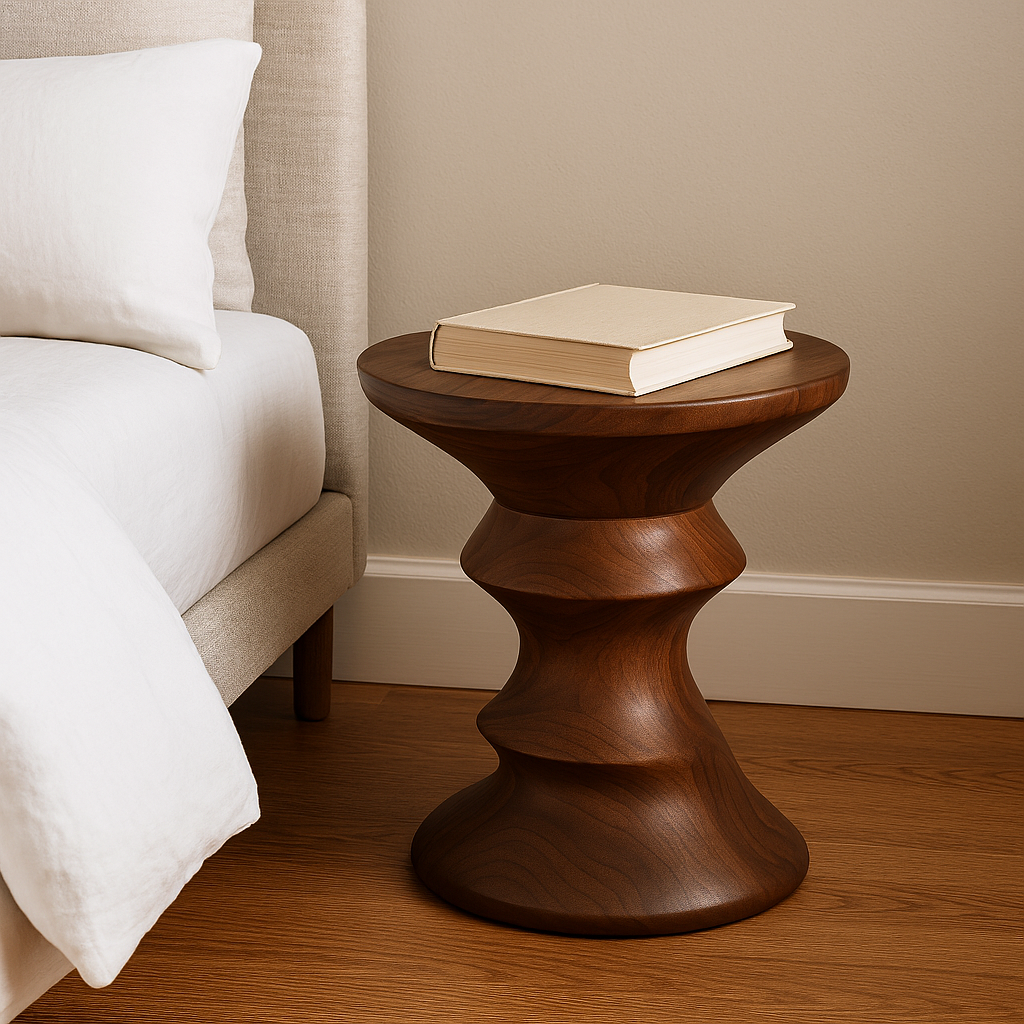
To find out what book someone is reading one asks about the nightstand. The nightstand represents the current reading list. An obvious example of the use of the metaphor is The New York Times column “By the Book”. (By the Book). The column is an interview with a celebrity– often a writer– and it poses the question: “What books are on your nightstand?” The answer reveals what book or books the person is reading and offers insight into the reason.
I do not keep books on my nightstand or read in bed. I always have a book I am reading, though, and I carry it with me. The list of current reading for me is a list of one, and carrying is easy. I know readers who are simultaneously reading several books, but I have not done that since I left school. I read in serial and not in parallel.
My list of current reading is status quo.
Most readers also have lists or stacks of books they intend to read. These lists contain many books. My list contains so many books I intend to read that I will never fulfill my intention.
Now that I am beyond the strictures of academic syllabi, I am free to choose what to read. Sources of book reviews and recommendations are abundant. For example, The New York Times offers regular advice in “What to Read Now”, “7 Books We Love This Week”, and “29 Books Coming in April”. (What to Read Now). My two favorite sources of book reviews and recommendations for breadth and depth are Literary Hub (Literary Hub) and The New York Review of Books (The New York Review of Books).
The Washington Post used to offer advice too, but it retired its dedicated section, Book World, in February 2009 (Rich) and the owner of The Washington Post terminated all book reviews and reviewers in February 2026 (Spratford).
Readers spend time deciding what to read among these and other options. They engage in meta reading– reading about reading– before the substantive reading that matters more. I have engaged in this meta reading.
All this research happens before a book makes the metaphorical nightstand. The list of intended reading is ex ante.
I started keeping a list– my reading list— of all the books I have read beginning in 2018, including title, author, and date of completion. I do not list newspapers, work-related reading, or other reading I do not deem to be a book; I only list books. Books cited in the first seven blog posts show some examples of what qualifies as a book for purposes of my list: a novel (On the Road), a novella (The Little Prince), a short story collection (Ficciones), a poetry collection (What Matters Most Is How Well You Walk through the Fire), and a memoir (Wind, Sand and Stars).
I also deem as a book types of works not yet discussed in a post, for example: a play (The Tragedy of Hamlet, Prince of Denmark), an epic poem (The Divine Comedy), criticism (The Anxiety of Influence: A Theory of Poetry), philosophy (Being and Nothingness), a collection of letters (Letters to Milena), a collection of essays (Make It Scream, Make It Burn), a transcript (Eichmann Interrogated), and an account of true crime (Furious Hours). These are all books by my definition.
I said in Post One – Ex Nihilio that I keep the list to be “transparent about what writers and topics I am reading and to lead by example.” I read that now, and I think transparency and leading are not especially important.
The reading list is important because it helps me group books and authors, see reading patterns over a long period of time (eight years), and plan what to read next. A large part of my intended reading comes from authors I have read and liked and from works cited by these authors. They also remind me what to re-read.
Although my reading list is ex post, it is in many ways also ex ante.
I. Librarian
Works Cited:
“By the Book.” The New York Times, https://www.nytimes.com/column/by-the-book.
Literary Hub. Grove Atlantic and Electric Literature, https://lithub.com/.
Rich, Motoko. “Washington Post to End Book World as Stand-Alone Section.” ArtsBeat, The New York Times, 28 Jan. 2009, https://archive.nytimes.com/artsbeat.blogs.nytimes.com/2009/01/28/washington-post-to-end-book-world-as-stand-alone-section/.
Spratford, Sam. “WashPo Shutters Books Section Amid Widespread Layoffs.” Publishers Weekly, 4 Feb. 2026, www.publishersweekly.com/pw/by-topic/industry-news/publisher-news/article/99611-washpo-nixes-books-section-amid-widespread-layoffs.html.
The New York Review of Books. NYREV, https://www.nybooks.com/.
The New York Times Books Staff. What to Read Now. The New York Times, 2026, https://www.nytimes.com/spotlight/books-to-read.
“The New York Times Book Review: What to Read Now.” The New York Times, https://www.nytimes.com/spotlight/books-to-read.
You Might Like:
Post Six – REPHRASE THE QUESTION
Leave a Reply